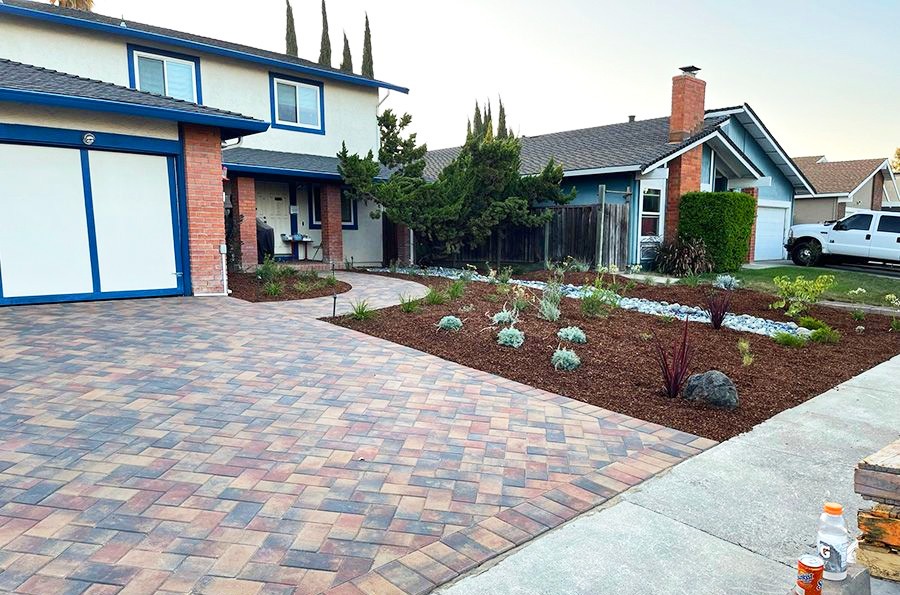
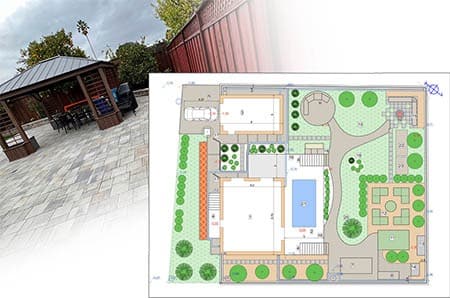


A well-designed bocce court does more than create a place to play. The right bocce ball court installation can turn an underused side yard or open backyard zone into a refined destination for gathering, conversation, and outdoor entertaining. In the Bay Area, where homeowners often want landscapes that feel both functional and elevated, installing a bocce ball court is a smart way to add a lifestyle feature that blends recreation with design.
At Opulands Landscape Design & Construction, we see bocce courts as one element within a complete outdoor living experience. The most successful designs are the ones that integrate beautifully with patios, seating areas, planting, lighting, and other custom features so the entire yard works together with purpose. For homeowners investing in a long-term transformation of their property, a bocce court can add both lifestyle value and architectural structure to a well-designed landscape.
Why Bocce Ball Court Installations Works So Well in Bay Area Backyards
Bay Area outdoor spaces often need to do several jobs at once. They may need to support dining, lounging, circulation, low-water planting, and year-round entertaining within a relatively compact footprint. That is exactly why installing a bocce ball court works so well here. The court introduces structure and activity without requiring the visual dominance of a larger sports surface. It reads as a luxury landscape feature, especially when paired with clean hardscape lines, ambient lighting, and seating designed for spectators as much as players.
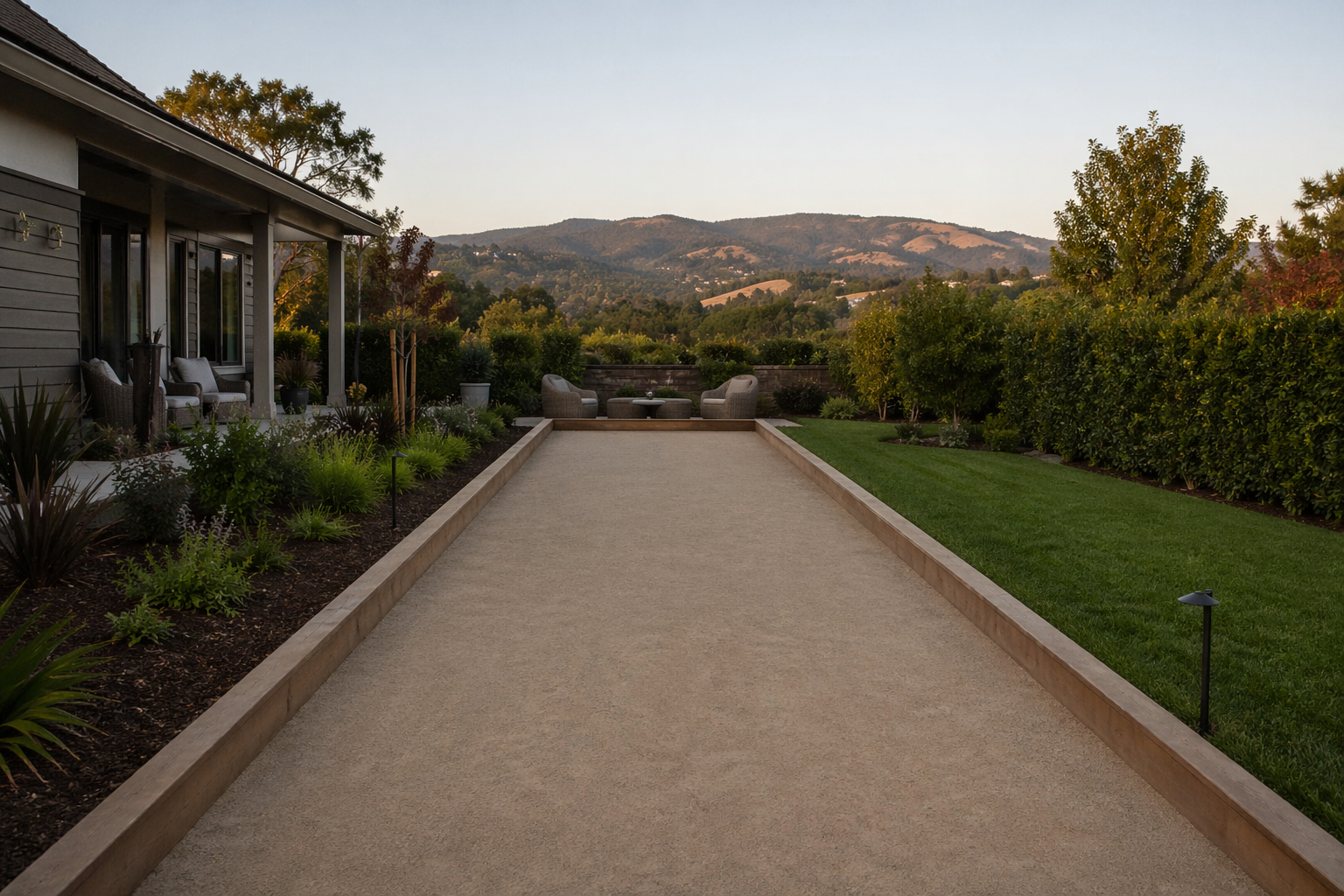
From a design standpoint, bocce is especially effective because it is linear and adaptable. It can run along a fence line, define the edge of a patio, or connect separate outdoor “rooms.” A court can also soften the transition between hardscape and planting by using gravel paths, decomposed granite accents, ornamental grasses, low-profile shrubs, or raised planters. In other words, a bocce court can become the connective tissue of the backyard rather than just another standalone add-on.
Bocce Ball Court Installation as a Lifestyle Upgrade
A backyard bocce court is one of those rare features that feels both luxurious and inviting. It gives your yard an identity. Rather than simply adding another activity, it can shape the way people move through and enjoy the space.
When incorporated into a complete landscape plan, bocce ball court installation can:
- Expand the function of entertaining areas
- Create a focal point near patios, pergolas, or outdoor kitchens
- Add value to narrow or awkward portions of the yard
- Encourage multigenerational outdoor use
- Give the backyard a resort-like, custom-designed feel
For Bay Area homeowners who love to host, this type of feature often becomes one of the most memorable parts of the property.
Space Requirements and Ideal Layouts
One of the first questions homeowners ask about installing a bocce ball court is how much room they need. A traditional regulation court is quite large, but residential courts are typically scaled to fit the property while still providing a great playing experience.
Standard Bocce Court Dimensions
A regulation bocce court is typically around 13 feet wide by 91 feet long, but that size is not practical for many homes. Most backyard courts are custom sized.
Common residential bocce court dimensions include:
- 10 to 12 feet wide
- 45 to 70 feet long
These dimensions usually provide plenty of room for enjoyable casual play while fitting more comfortably within a residential landscape plan.
How Much Space Should You Plan For?
In addition to the court itself, it is important to account for surrounding circulation and gathering space. Ideally, you want room for players to move comfortably and for guests to watch without crowding the play area.
A good planning rule is to allow:
- At least 2 to 4 feet of clearance on each side
- Extra space at one or both ends for seating or access
- Room nearby for integrated entertaining features
This means a backyard bocce court may require a footprint closer to 14 to 20 feet wide overall, depending on the design.
Ideal Layout Options
The best layout depends on your yard size, grade, and how the rest of the backyard is used. Popular layouts include:
- Along a side yard: Great for making use of linear space that might otherwise be overlooked
- Adjacent to a patio: Ideal for entertaining and easy guest access
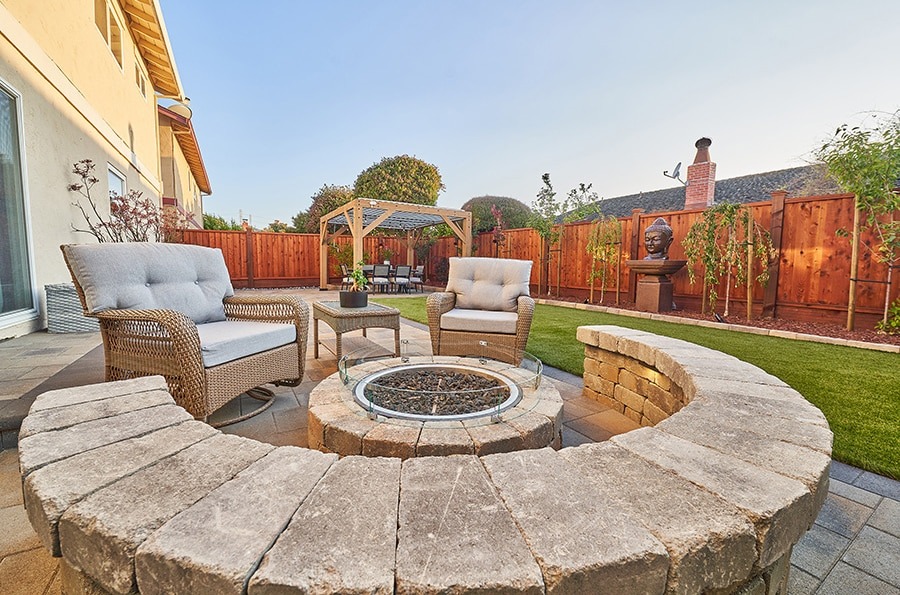
- Near a firepit or lounge area: Creates a natural social hub
- Integrated into a backyard remodel: Allows the court to feel fully connected to the rest of the design
A court should feel intentional, not squeezed in. Proper siting is one of the most important parts of successful bocce ball court installation.
Designing a Bocce Court That Feels Built Into the Backyard
The most beautiful bocce courts do not feel isolated. They feel woven into the overall outdoor environment. That is especially important in the Bay Area, where outdoor living spaces often serve as extensions of the home.
A well-designed court can connect seamlessly with:
- Paver patios and entertaining terraces
- Outdoor kitchens and BBQ islands
- Pergolas and shade structures
- Built-in benches or seat walls
- Garden beds and layered planting
- Accent lighting for evening play and ambiance
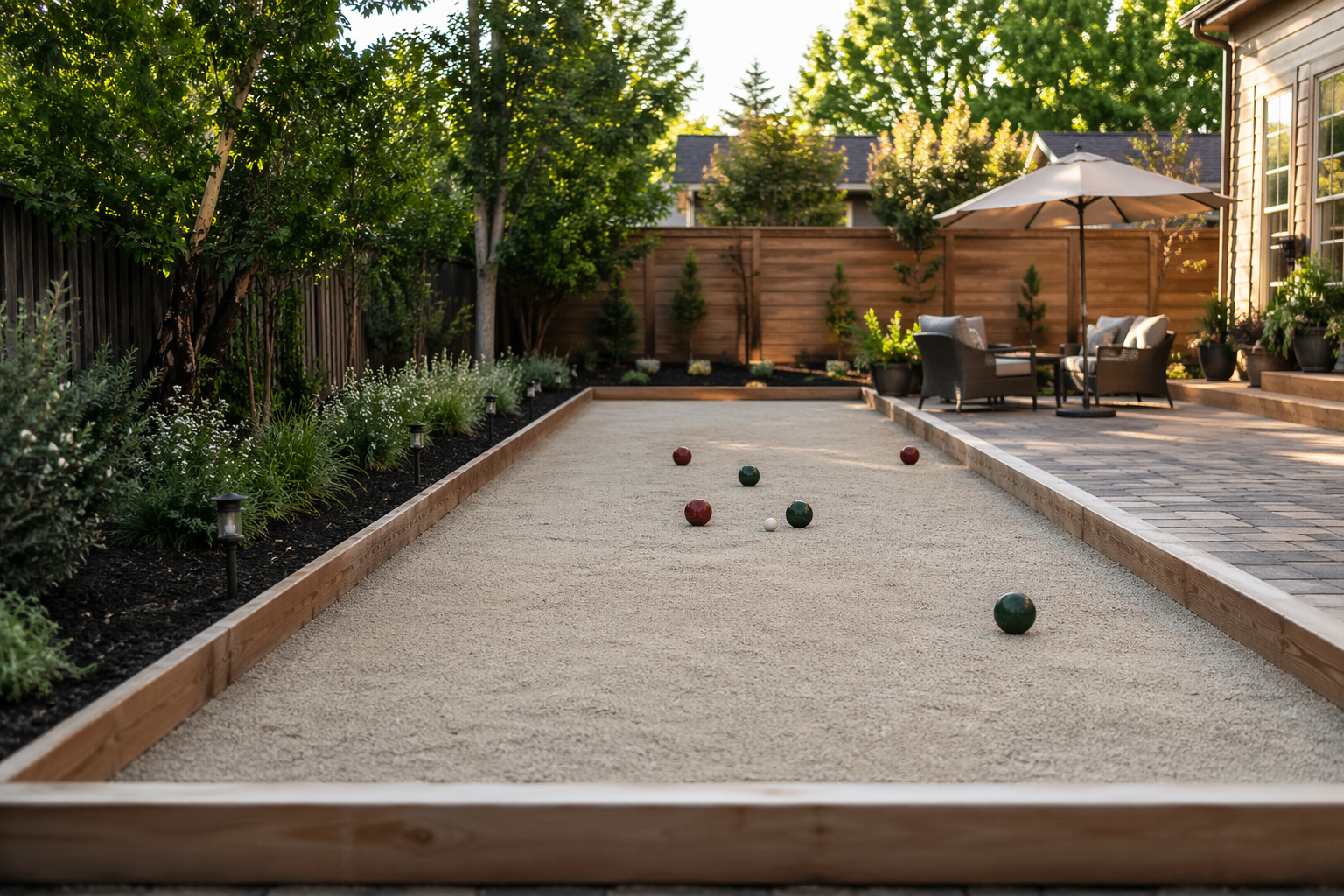
This is where the difference between a basic recreational feature and a lifestyle feature becomes clear. With the right materials, layout, and surrounding amenities, a bocce court becomes part of the full backyard experience.
Base Preparation and Drainage: The Foundation of a Long-Lasting Court
One of the most important parts of bocce ball court installation happens below the surface. Homeowners often focus on the visible finish materials, but base preparation and drainage are what determine whether the court performs well over time.
Why Proper Base Prep Matters
A bocce court should feel level, stable, and consistent underfoot. Without proper excavation and base construction, the surface may settle unevenly, hold water, or become difficult to maintain. In the Bay Area, where soil conditions and seasonal moisture can vary from property to property, this part of the build is especially important.
A professionally built bocce court typically includes:
- Excavation to the required depth
- Compacted subgrade
- A stable aggregate base
- Layered materials selected for drainage and durability
- Edge restraints or sidewalls to contain the court structure
- Fine grading for a consistent playing surface
Drainage Considerations
Drainage is not optional. Even in areas with relatively mild weather, poor drainage can shorten the life of the court and lead to surface issues. Water needs a clear path away from the court structure so the materials stay stable and playable.
Depending on the site, drainage strategy may include:
- Slight slope for runoff management
- Permeable base layers
- French drains or subsurface drainage
- Strategic placement away from heavy roof runoff
- Grading that prevents water from flowing into the court from surrounding areas
These details provide an important authority signal because they show that installing a bocce ball court is not just about aesthetics. It is a construction project that requires thoughtful site preparation and technical planning.
Material Options for Bocce Ball Court Installation
The materials used will affect playability, appearance, maintenance needs, and cost. The best choice depends on how the court will be used and the style of the overall landscape.
Common Surface Materials
- Crushed oyster shell or similar blends: These surfaces offer a classic bocce look and feel. They can create a soft, traditional aesthetic, though they may require more maintenance to keep them smooth and consistent.
- Decomposed granite: A popular option for residential landscapes, decomposed granite offers a natural appearance that works well in many Bay Area outdoor designs.
- Engineered court blends: Some homeowners prefer specialty mixes designed specifically for bocce play. These can improve performance and consistency.
Border and Sidewall Materials
The court perimeter also affects both function and visual appeal. Common options include:
- Pressure-treated or naturally durable wood
- Concrete curbs
- Masonry or stone edges
- Integrated landscape borders that coordinate with nearby hardscape
Matching these details to surrounding patios, paths, and planting can make the court feel like a true extension of the backyard design.
How Much Does It Cost to Install a Bocce Ball Court?
Cost is one of the biggest considerations in any bocce ball court installation project. Pricing can vary significantly depending on size, site conditions, finish materials, drainage needs, and how integrated the court is with the rest of the landscape.
Typical Backyard Bocce Court Cost Range
For many Bay Area homes, installing a bocce ball court may fall somewhere in the range of:
- Basic residential court: around $15,000 to $25,000
- Mid-range custom court: around $25,000 to $50,000
- High-end integrated design: $50,000 and up
These ranges can shift depending on the property and the design vision.
What Affects Bocce Court Installation Cost?
Several factors influence final pricing:
- Court size and dimensions
- Excavation difficulty and access limitations
- Base preparation requirements
- Drainage systems
- Surface material selection
- Border or retaining wall construction
- Lighting, seating, and nearby patio integration
- Planting and landscape enhancements around the court
A simple court on a flat, accessible site will usually cost less than a custom court built into a full backyard remodel with premium finishes and entertaining features.
Integrating the Court With Patios, Seating Areas, and Planting
A bocce court is at its best when it supports the way you actually live outdoors. That often means thinking beyond the court itself and designing the surrounding elements to enhance comfort, beauty, and usability.
Patio Connections
Positioning the court near a patio creates a strong entertaining flow. Guests can move easily between dining, lounging, and playing. This works especially well when the court is aligned with a paver patio or framed by a seating terrace.
Seating and Spectator Areas
Built-in benches, seat walls, lounge chairs, or shaded seating zones can make the court feel more social. Not everyone needs to be playing for the area to feel active. Comfortable seating invites people to gather, watch, and stay longer.
Planting and Landscape Softening
Strategic planting helps the court feel polished and grounded within the landscape. It can also soften the linear geometry of the court and create privacy.
Good planting options often include:
- Low-maintenance ornamental grasses
- Evergreen hedging for screening
- Drought-tolerant shrubs
- Accent trees for structure and shade
- Seasonal color near gathering areas
In the Bay Area, integrating climate-appropriate planting with hardscape features can create a backyard that feels both luxurious and livable.
Is Installing a Bocce Ball Court Right for Your Property?
Not every backyard needs a bocce court, but for the right property, it can be a standout feature. It is especially well suited for homeowners who enjoy entertaining, want to maximize outdoor use, and appreciate a landscape that blends beauty with purpose.
A bocce court may be a great fit if you want to:
- Add an interactive feature without overwhelming the yard
- Create a focal point for hosting
- Make use of a long or underutilized portion of the property
- Pair recreation with refined outdoor design
- Invest in a custom backyard experience rather than a purely decorative upgrade
When planned well, this feature supports both everyday enjoyment and long-term property appeal.
Why Bay Area Homeowners Choose Opulands Landscape Design & Construction
At Opulands Landscape Design & Construction, we understand that a backyard should do more than look beautiful. It should support the way you live, entertain, and relax. We are a Bay Area family-owned outdoor remodel company specializing in landscape and hardscape design and installation throughout Menlo Park, Palo Alto, Los Altos, Saratoga, and Atherton. We help homeowners transform ordinary outdoor areas into highly functional and luxurious living spaces. Whether it is installing a bocce ball court, designing a custom patio, or creating a full outdoor entertaining environment, we approach every project with an eye for both function and elevated design. Most of our residential landscaping projects fall between $50,000 and $500,000.
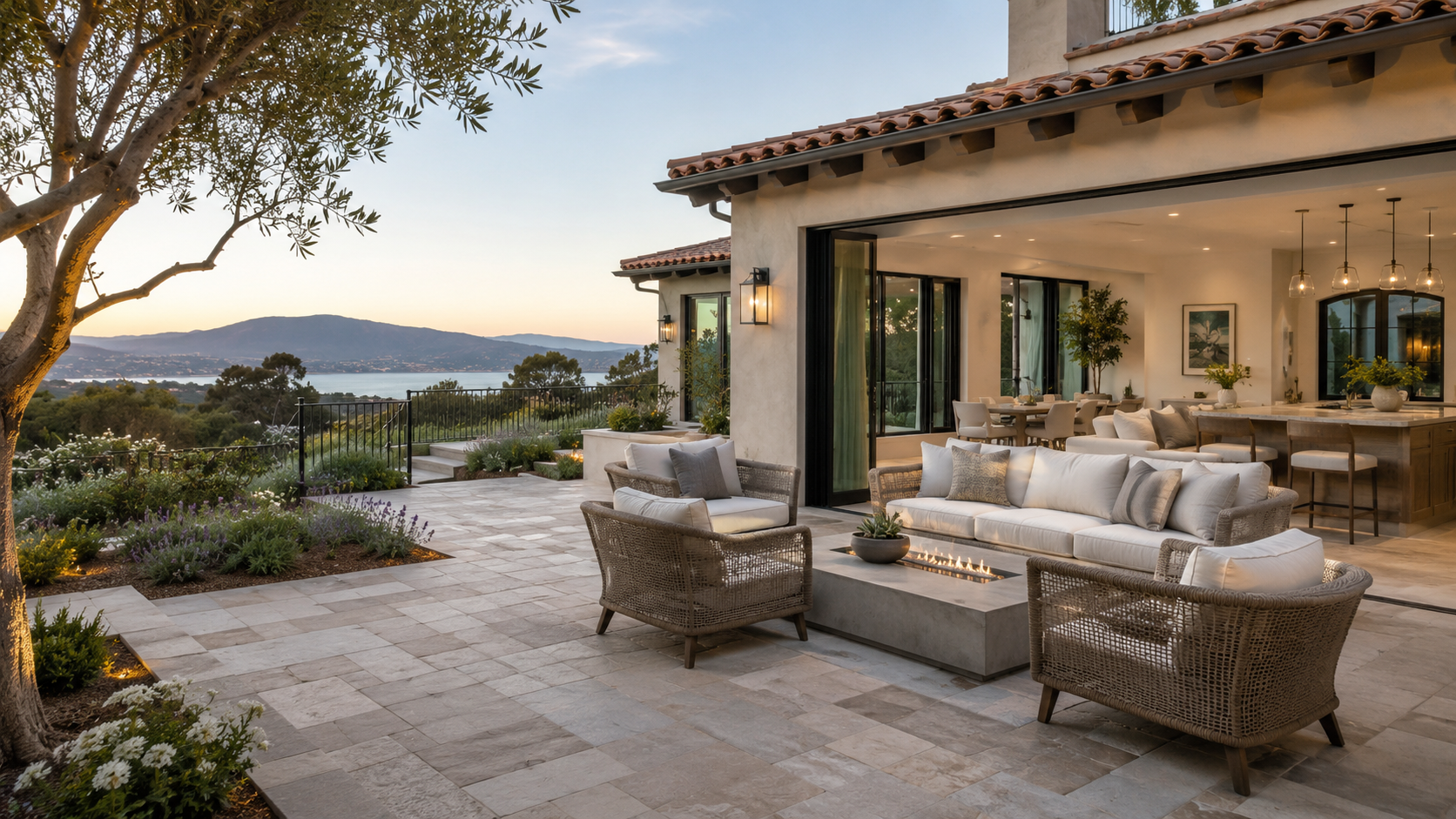
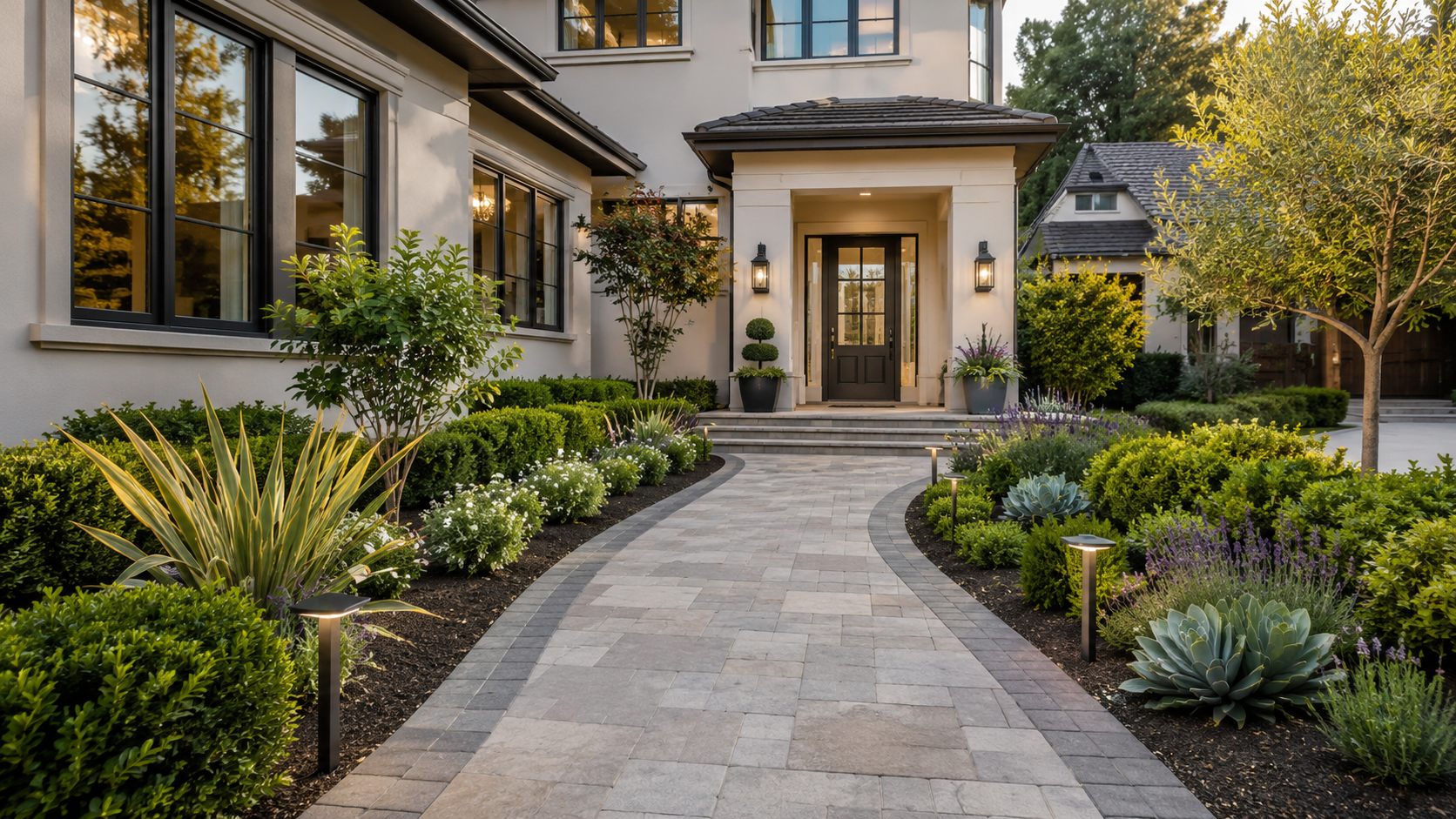
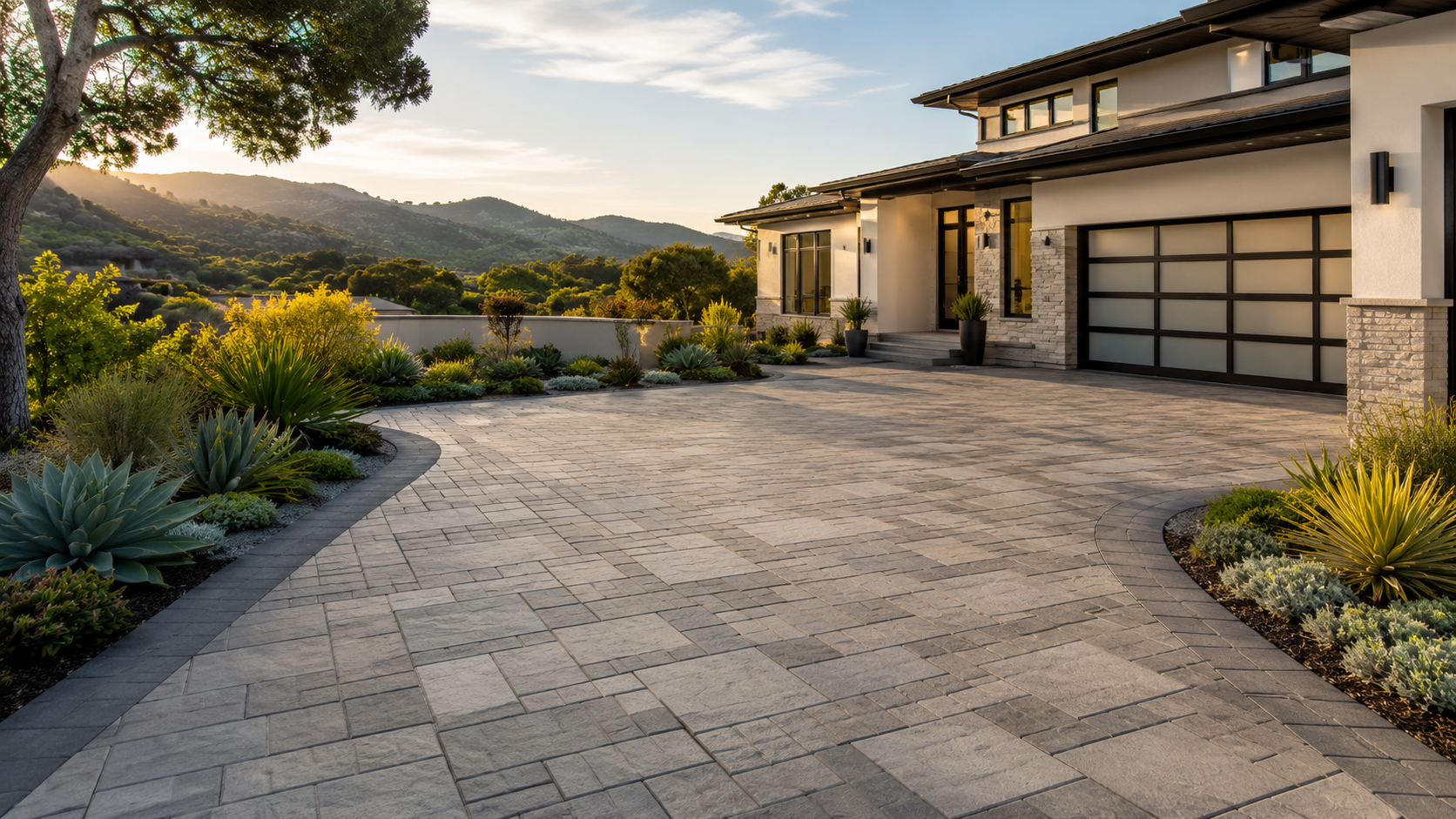
From new front entryways to complete backyard remodels, we turn dreams into reality through thoughtful design and quality craftsmanship. We also design and build beautiful paver driveways, patios, and pool decks, then elevate those spaces with the finest BBQ islands, pergolas, and firepits. Add a synthetic lawn or putting green, and your yard can become a truly opulent oasis. Quality workmanship is a cornerstone of Opulands, and our goal is to create an outdoor living space you will enjoy for years to come.
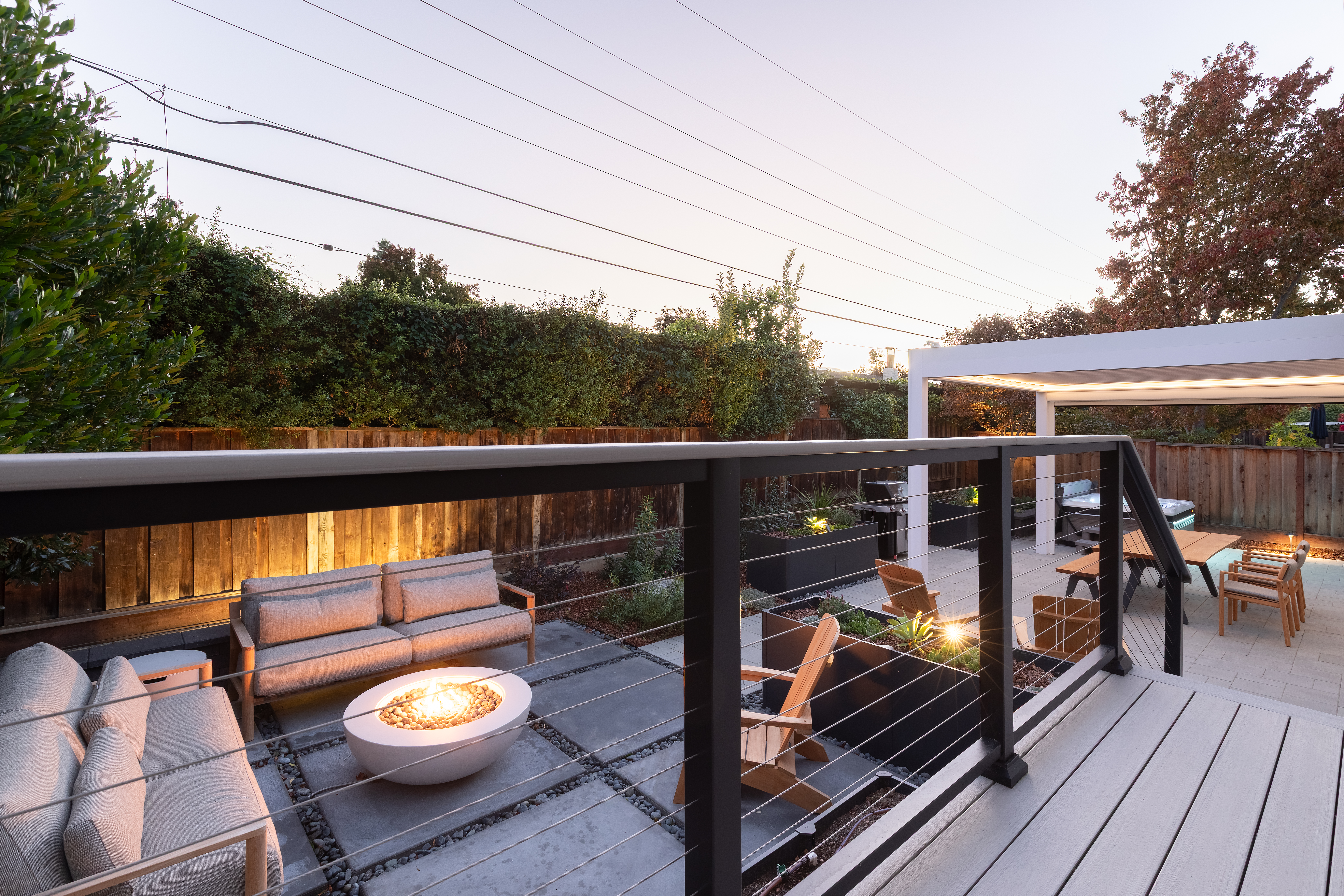
Transform Your Outdoor Space With a Custom Bocce Court. Contact Opulands Today to Get Started
For Bay Area homeowners who want a backyard that stands out, installing a bocce ball court can be a smart and stylish investment. It adds personality, encourages gathering, and enhances the overall outdoor experience in a way few features can.
If you’re planning a project between $50,000 and $500,000, we’d be happy to discuss your space and see if it’s a good fit. Contact Opulands Landscape Design & Construction today to schedule your free design consultation and discover how we can bring your outdoor vision to life through our expert landscape design and installation services.
Best suited for properties where entertaining is a priority.