
How to Create a Low Maintenance Landscape Design for Your Home: A Complete Guide for Homeowners
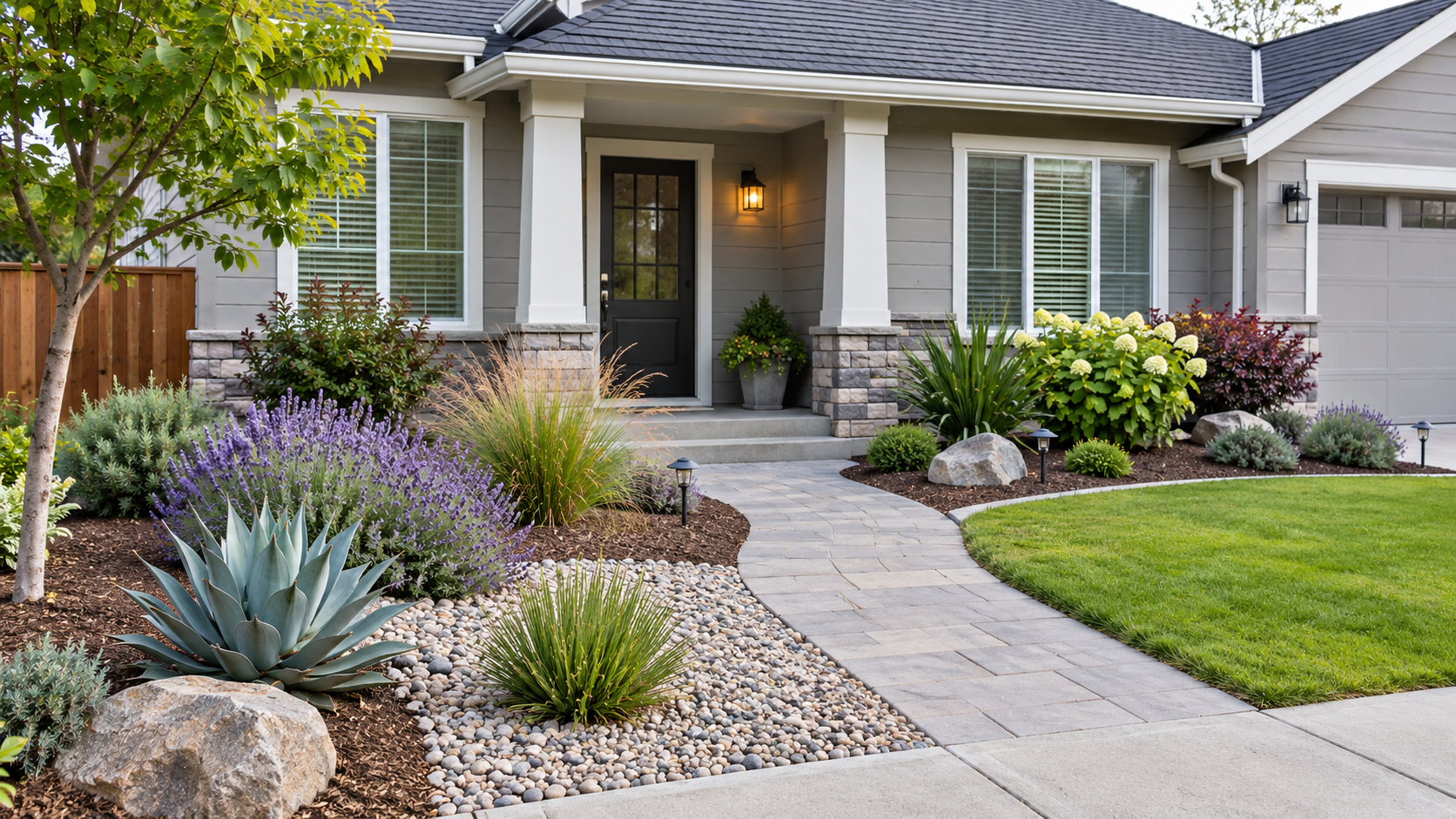
A beautiful yard does not have to require hours of mowing, pruning, watering, weeding, and seasonal upkeep. With thoughtful planning, homeowners can create an attractive outdoor environment that stays functional and visually appealing without demanding constant attention. A well-planned low maintenance landscape design combines durable materials, efficient irrigation, carefully selected plants, and practical outdoor features to reduce the amount of ongoing work your property requires.
Whether you are redesigning an aging backyard or starting fresh with a complete front yard transformation, there are many low maintenance landscaping strategies that can save time, reduce water use, and make outdoor spaces easier to enjoy. The key is designing the landscape around your property, lifestyle, and long-term maintenance expectations from the beginning.
What Is Low Maintenance Landscaping?
Low maintenance landscaping is an approach to outdoor design that minimizes routine tasks such as mowing, watering, pruning, fertilizing, cleaning, and replacing plants. Rather than eliminating landscaping altogether, the goal is to make smarter design choices that require less ongoing intervention.
A successful low maintenance yard might combine hardscaping, drought-tolerant plants, synthetic turf, efficient irrigation systems, mulch, decorative rock, and carefully planned outdoor living areas. These features can work together to create a polished landscape while reducing the amount of labor necessary to keep it looking its best.
Low maintenance does not mean no maintenance. Every landscape will require some level of care, but choosing the right materials and layout can make that workload significantly more manageable.
Start With a Thoughtful Landscape Layout
The foundation of successful low maintenance landscaping begins with the overall layout. Before choosing individual plants or materials, consider how you want to use the property and which areas truly need landscaping.
Divide the yard into functional zones for activities such as dining, entertaining, relaxing, gardening, recreation, and circulation. Areas that receive heavy foot traffic may benefit from pavers or other hardscape surfaces instead of grass, while less frequently used spaces can incorporate drought-resistant plantings or decorative rock.
A thoughtful layout also prevents unnecessary landscape clutter. Instead of filling every available area with plants, allow patios, pathways, seating areas, and architectural features to create visual structure.
Reduce the Amount of Traditional Lawn
Traditional grass lawns can be one of the most maintenance-intensive features in a residential landscape. They typically require frequent mowing, watering, fertilization, edging, weed control, and periodic reseeding or repair.
Reducing lawn areas can dramatically lower maintenance requirements.
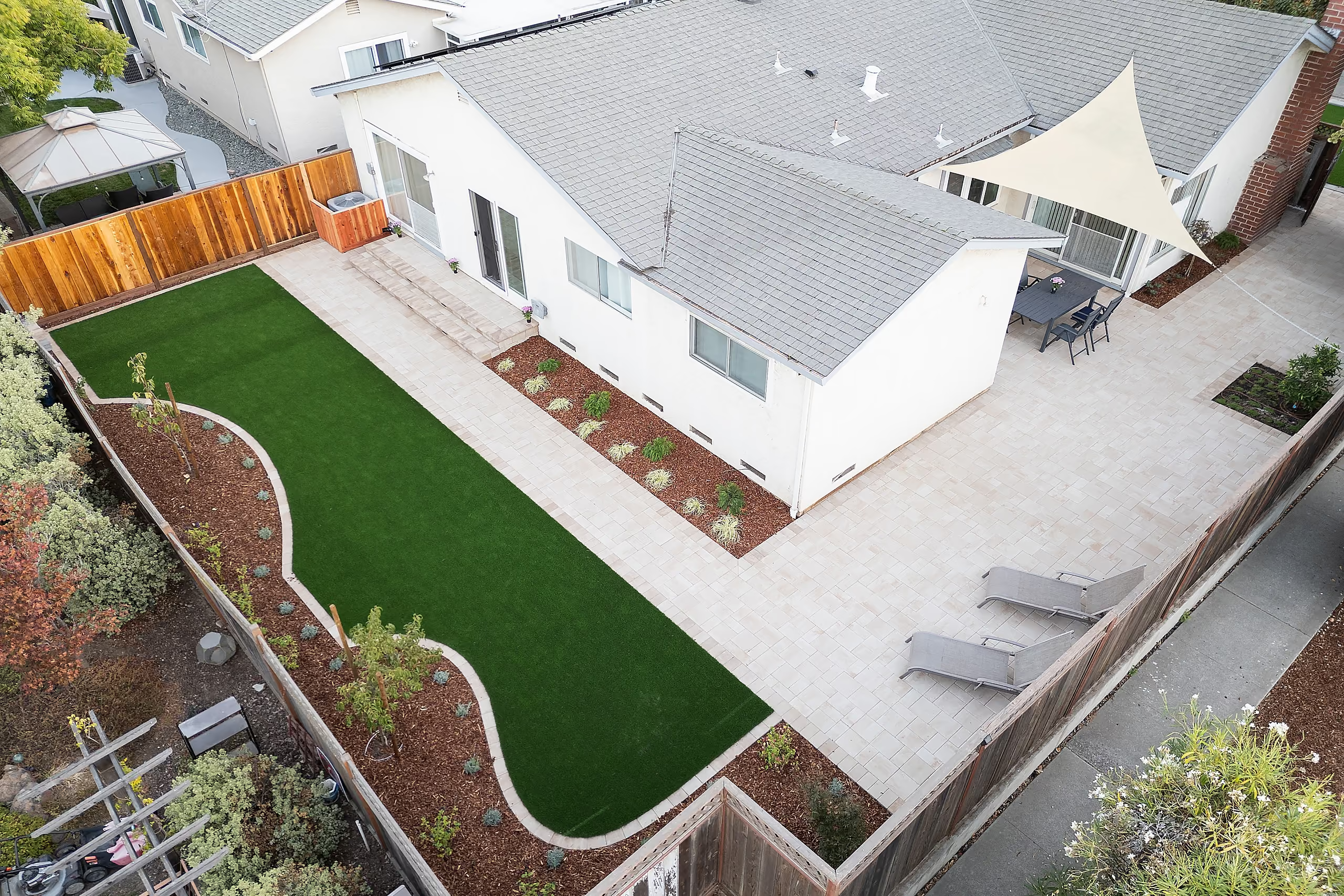
Homeowners may choose to replace portions of their lawns with:
- Synthetic turf
- Drought-tolerant groundcovers
- Decorative gravel
- Paver patios
- Walkways
- Mulched planting beds
- Outdoor seating areas
- Putting greens
If you still want some natural lawn, consider limiting it to areas where grass serves a functional purpose, such as a children's play area or open recreational space.
Choose Drought-Tolerant and Climate-Appropriate Plants
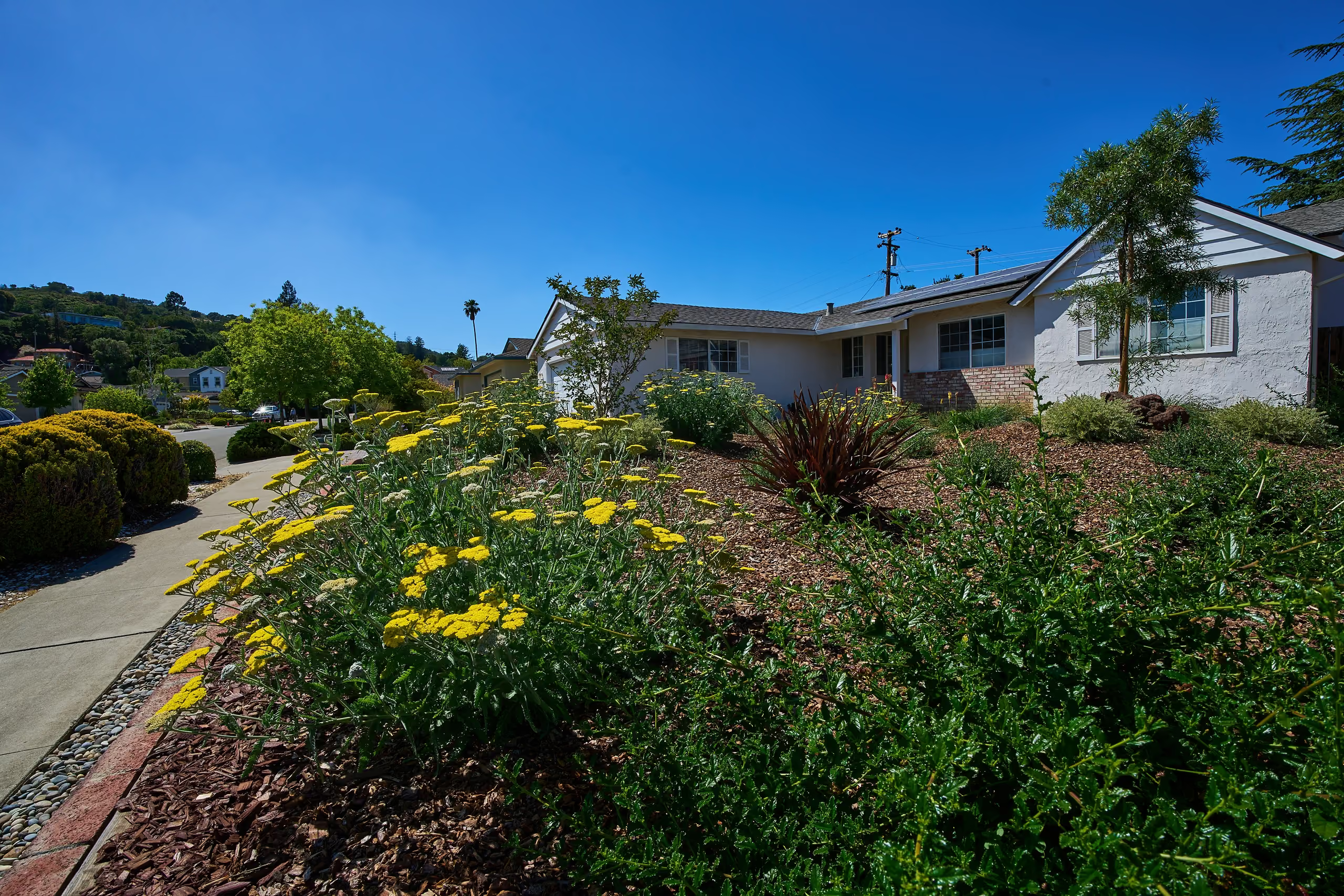
Plant selection plays a major role in determining how much maintenance your landscape will require. Plants that naturally thrive in your local climate generally need less supplemental watering, fertilization, and pest management.
For Bay Area properties, drought-tolerant and Mediterranean-style plants can be particularly effective because many are well suited to California's seasonal rainfall patterns.
Examples may include:
- Lavender
- Rosemary
- California lilac
- Manzanita
- Sage
- Agave
- Succulents
- Ornamental grasses
Native plants can also support local pollinators while creating a landscape that feels naturally connected to the surrounding environment.
When planning your low maintenance landscape design, avoid selecting plants simply because they look appealing at the nursery. Consider their mature size, growth habits, water requirements, and pruning needs before incorporating them into your landscape.
Group Plants According to Their Water Needs
Hydrozoning is a landscaping strategy that groups plants with similar water requirements together. This allows irrigation systems to deliver the appropriate amount of water to each part of the landscape without overwatering or underwatering individual plants.
For example, drought-tolerant plants can occupy one irrigation zone while plants requiring slightly more moisture can be placed in another.
Hydrozoning offers several advantages:
- More efficient water usage
- Healthier plants
- Lower irrigation costs
- Easier irrigation scheduling
- Reduced plant stress
This simple planning technique can make long-term landscape management considerably easier.
Use Mulch to Reduce Weeds and Retain Moisture
Mulch is one of the simplest tools for reducing landscape maintenance. Applying mulch around trees, shrubs, and planting beds helps suppress weeds while slowing moisture evaporation from the soil.
Organic mulches such as bark or wood chips can also gradually improve soil quality as they decompose.
A properly mulched planting bed may require less frequent watering and significantly less weeding throughout the year. Mulch also creates a clean, finished appearance that visually connects different sections of the landscape.
Incorporate More Hardscaping Into Your Landscape
Hardscaping can dramatically reduce the amount of vegetation that needs ongoing care while adding functional living space to your property.
Pavers are particularly versatile because they can be used to create attractive surfaces throughout both front and back yards.
Popular hardscaping features include:
- Paver driveways
- Patios
- Walkways
- Pool decks
- Garden pathways
- Retaining walls
- Seating areas
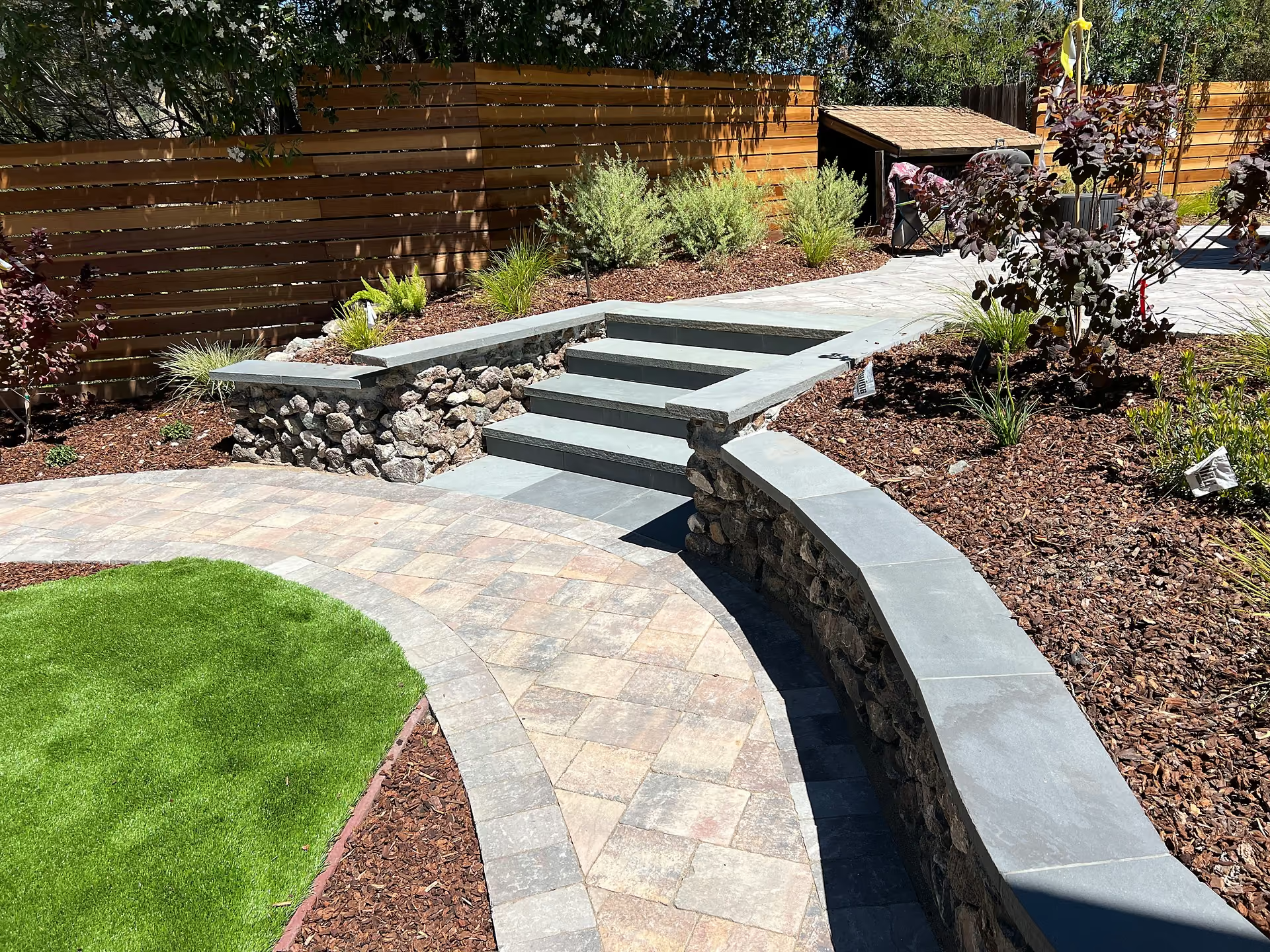
A professionally installed paver patio, for example, can replace a portion of lawn while creating an inviting area for dining, entertaining, or relaxing outdoors.
Hardscape features also introduce structure and visual contrast, helping the landscape look organized even when plantings are relatively simple.
Consider Synthetic Turf for an Easy-Care Lawn Alternative
Synthetic turf can be an excellent solution for homeowners who enjoy the appearance of a green lawn but want to eliminate much of the maintenance associated with natural grass.
Artificial grass does not require:
- Mowing
- Fertilizing
- Routine irrigation
- Reseeding
- Traditional lawn aeration
High-quality synthetic turf can provide a consistent appearance throughout the year and works well in backyards, side yards, pet areas, and recreational spaces.
Synthetic turf can also be combined with hardscaping, drought-tolerant plants, and decorative stone to create a balanced landscape that still provides plenty of greenery.
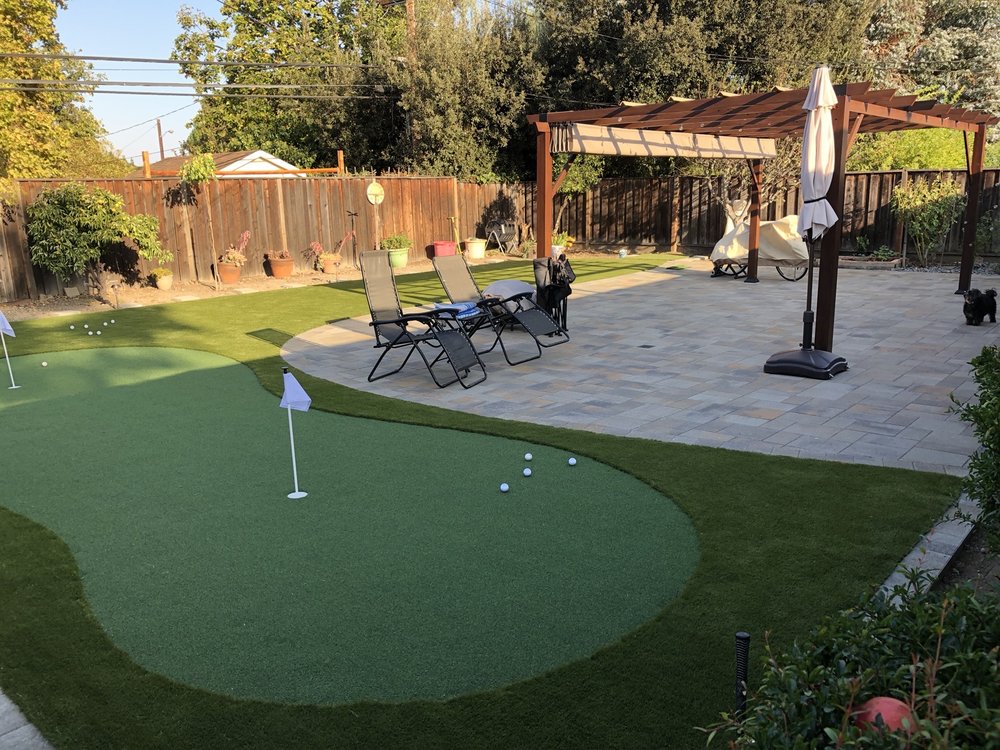
Add a Low Maintenance Backyard Putting Green
A backyard putting green can transform unused lawn space into a recreational feature while reducing some of the maintenance associated with natural turf.
Synthetic putting greens can be customized to accommodate different yard shapes and landscape layouts. Homeowners can incorporate contours, multiple holes, fringe areas, landscaping, and nearby seating spaces.
When integrated into a larger low maintenance landscape design, a putting green can become both a recreational feature and a visually interesting focal point.
Install an Efficient Drip Irrigation System
Even drought-tolerant landscapes need water, particularly while plants are becoming established. Efficient irrigation systems make watering easier while reducing unnecessary water usage.
Drip irrigation delivers water directly to the plant's root zone rather than spraying large areas of the landscape.
Advantages of drip irrigation include:
- Reduced evaporation
- Less water waste
- Fewer weeds between plants
- More targeted watering
- Easy automation
Pairing drip irrigation with smart controllers or weather-based irrigation technology can make watering even more efficient.
Keep Planting Designs Simple
Complex planting arrangements with dozens of different species may look impressive initially, but they can become difficult to maintain.
A simpler planting palette often produces a more sophisticated landscape while reducing upkeep.
Consider repeating groups of the same plants throughout the landscape. Repetition creates visual consistency while making irrigation, pruning, and plant care easier.
A simple planting strategy might combine:
- One or two ornamental grasses
- Several drought-tolerant shrubs
- A limited selection of flowering plants
- A few architectural accent plants
This approach can create a polished, intentional appearance without requiring extensive plant maintenance.
Choose Slow-Growing Plants and Shrubs
Fast-growing plants often require frequent pruning to keep them from becoming oversized or unruly.
Slow-growing plants generally require less trimming and are easier to maintain over time. When selecting shrubs or trees, pay attention to their expected mature height and width.
Choosing plants that naturally fit the available space minimizes the need for constant pruning.
For example, a compact shrub designed to mature at three feet tall will usually require significantly less trimming than a larger shrub planted in the same location and repeatedly cut back.
Use Decorative Gravel and Stone Strategically
Decorative stone can add texture and contrast while reducing the amount of planted space that requires maintenance.
Gravel can be used around:
- Succulent gardens
- Pathways
- Fire pits
- Outdoor seating areas
- Drought-tolerant planting beds
- Side yards
- Utility areas
Stone and gravel also complement modern and Mediterranean landscape styles particularly well.
However, decorative stone works best when thoughtfully incorporated into the overall landscape rather than simply replacing every planted area.
Add Outdoor Living Features That Reduce Landscape Maintenance
Outdoor living spaces allow homeowners to enjoy more of their property while simultaneously reducing the amount of traditional landscaping that requires ongoing care.
For example, converting part of a backyard into a patio with a BBQ island and pergola can eliminate a significant area of lawn while creating an attractive entertainment destination.
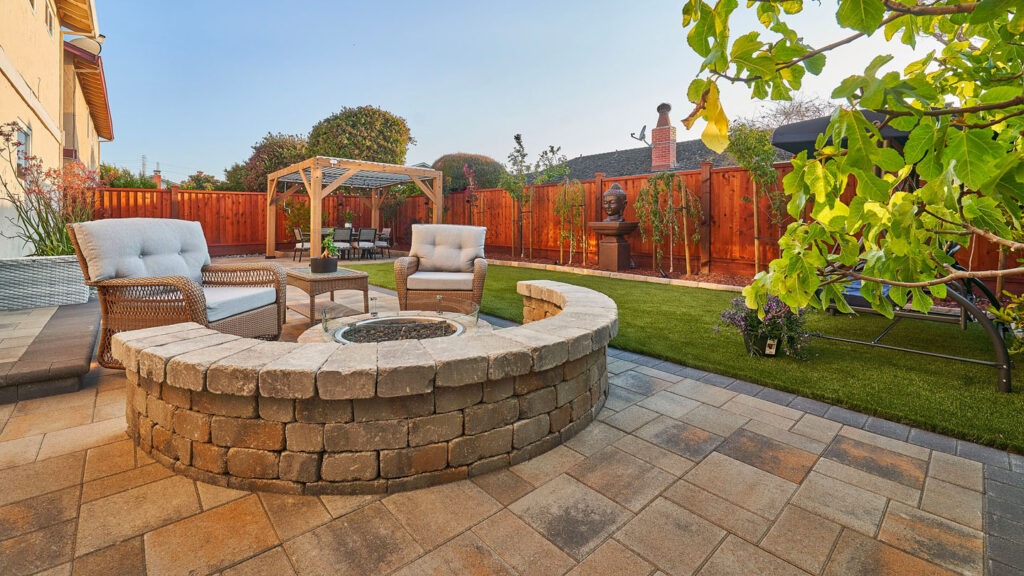
Popular outdoor living additions include:
- BBQ islands & Outdoor kitchens
- Pergolas
- Fire pits
- Built-in seating
- Dining patios
- Lounge areas
These improvements make your backyard more functional while helping create a more balanced landscape between plants and hardscaping.
Select Durable Landscape Materials
The materials you choose can significantly influence long-term maintenance.
Low-quality materials may crack, fade, deteriorate, or require frequent repairs. Investing in durable products from the beginning can reduce maintenance expenses and help your landscape maintain its appearance.
Consider long-term durability when selecting:
- Pavers
- Retaining wall materials
- Outdoor cabinetry
- Countertops
- Pergola materials
- Landscape edging
- Decorative stone
- Artificial turf
Quality installation is equally important. Even premium materials may experience premature problems if they are installed incorrectly.
Design Landscape Edges That Are Easy to Maintain
Clean landscape borders create separation between different materials while making maintenance easier.
Edging can separate:
- Turf from planting beds
- Gravel from walkways
- Mulch from lawn
- Planting areas from patios
Defined edges prevent materials from spreading into adjacent areas and make the landscape appear organized.
Paver borders, metal edging, concrete curbs, and stone can all provide durable solutions depending on the landscape style.
Plan for Mature Plant Sizes
One of the most common landscaping mistakes is placing plants too close together.
Small nursery plants may initially look sparse, which can tempt homeowners to overcrowd planting beds. However, as the plants mature, they may begin competing for space and require frequent trimming.
Before planting, research the expected mature width and height of each species.
Proper spacing helps reduce:
- Excess pruning
- Plant crowding
- Poor airflow
- Pest problems
- Competition for water and nutrients
Giving plants room to mature naturally is one of the easiest ways to reduce long-term maintenance.
Avoid Too Many High-Maintenance Landscape Features
Every landscape feature comes with some level of maintenance. The goal of low maintenance landscaping is not to eliminate upkeep entirely but to carefully select features that provide the most enjoyment for the least ongoing effort.
If minimizing maintenance is a priority, limit landscape elements that require frequent attention.
Examples may include:
- Large natural lawns
- Formal hedges
- Elaborate flower beds
- Plants requiring frequent deadheading
- High-water tropical plants
- Large annual planting areas
Instead, focus on durable materials, evergreen plants, drought-tolerant vegetation, and functional outdoor features.
Create a Luxury Low Maintenance Landscape With Opulands Landscape & Design
At Opulands Landscape & Design, we are a Bay Area family-owned outdoor remodel company specializing in luxury residential landscaping and hardscaping design and installation throughout the Bay Area. We help homeowners transform front yards and backyards into beautiful, functional outdoor spaces tailored to their lifestyle, architectural style, and maintenance preferences.
Our team designs and builds beautiful paver driveways, patios, walkways, and pool decks that can be complemented with premium BBQ islands, pergolas, fire pits, synthetic lawns, and backyard putting greens. Whether your goal is to reduce lawn maintenance, create an elegant outdoor entertainment space, or completely redesign your property, we can create a customized landscape that blends beauty, function, and durability. Quality workmanship is a cornerstone of Opulands, and our goal is to create an outdoor living space you will enjoy for years to come.

Transform Your Yard With a Low Maintenance Landscape Design
Creating a beautiful yard does not mean committing to constant landscaping work. By reducing traditional lawn areas, selecting climate-appropriate plants, incorporating durable hardscaping, installing efficient irrigation, and designing functional outdoor living areas, homeowners can create a low maintenance landscape design that looks polished while saving considerable time and effort.
If you are ready to explore low maintenance landscaping ideas for your Bay Area property, Opulands Landscape & Design can help you develop a custom outdoor space designed around your home and lifestyle. Contact Opulands today to schedule a free landscaping design consultation and start planning a beautiful, easy-care front yard or backyard transformation.